Choosing the Right Timber for Your Decking Project
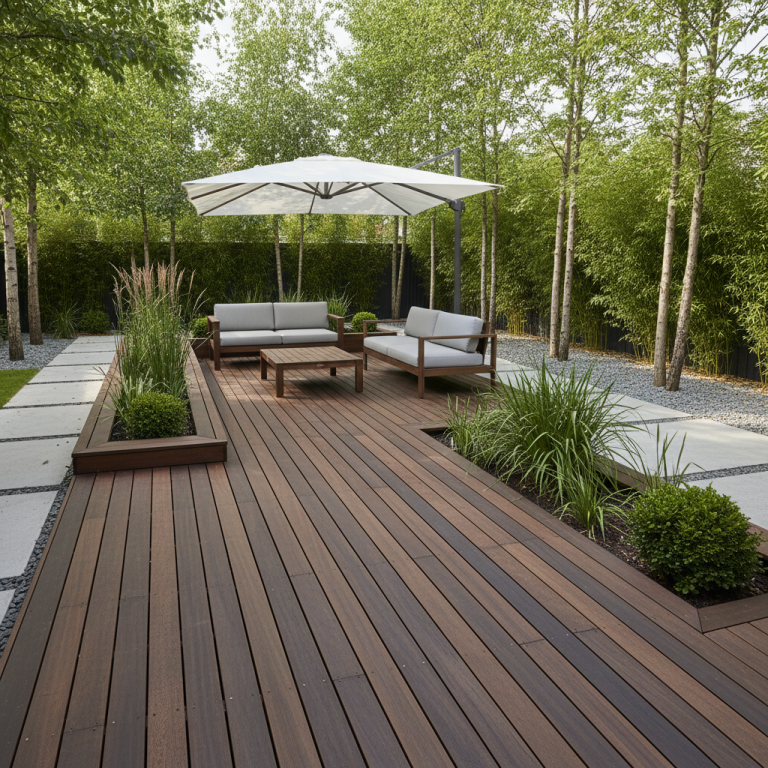
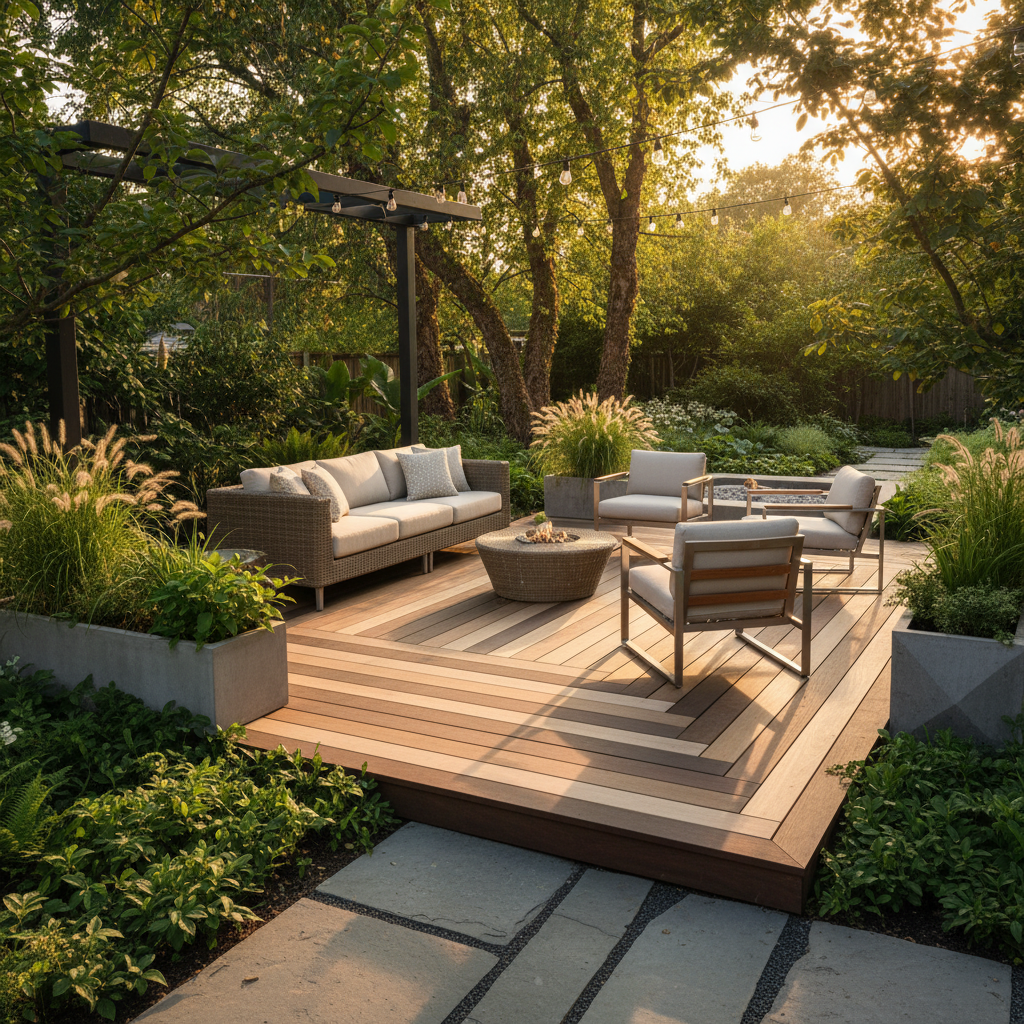
Spring is here and decking season is in full swing. Whether you’re building a new entertaining area, extending your living space outdoors or replacing tired old boards, the timber species you choose will determine the look, feel and lifespan of your deck.
At Timberulove, we supply decking in a wide range of species from premium European Oak to cost-effective treated softwood. In this guide, we compare the most popular options to help you make the right choice for your project and budget.
Hardwood Decking Options
European Oak Decking
Durability Class: 2 (25-30+ years)
Oak is the undisputed king of timber decking. Its exceptional hardness (Janka rating ~1,120 lbf) makes it incredibly resistant to wear, while natural tannins provide excellent rot resistance without any chemical treatment.
Pros:
- Stunning grain pattern and warm golden-brown colour
- Extremely hard-wearing — ideal for high-traffic areas
- No chemical treatment needed
- Weathers to an attractive silver-grey
- Increases property value
Cons:
- Higher upfront cost
- Heavy — requires robust subframe
- Tannin run-off can stain adjacent surfaces in early months
Best for: Premium patios, entertaining areas, commercial installations where longevity matters.
Sapele Decking
Durability Class: 2-3 (20-25 years)
This African hardwood offers a rich reddish-brown colour that many find reminiscent of mahogany. It’s increasingly popular as a premium decking choice that’s more affordable than Oak.
Pros:
- Beautiful deep red-brown colour
- Good dimensional stability
- Naturally resistant to rot and insects
- Takes oil finishes beautifully
Cons:
- Can be prone to surface checking if not maintained
- Sourcing — ensure FSC-certified for sustainability
Gombe Decking
Durability Class: 2 (25+ years)
A lesser-known African hardwood that’s gaining popularity for its exceptional durability and attractive appearance. Gombe offers excellent value in the hardwood decking category.
Softwood Decking Options
Siberian Larch Decking
Durability Class: 3 (15-20 years untreated)
Our bestselling softwood decking option. Siberian Larch bridges the gap between softwood pricing and hardwood performance, making it the most popular choice for residential decking projects.
Pros:
- Best value premium decking option
- Natural rot resistance — no chemical treatment needed
- Beautiful golden colour, weathers to silver
- Smooth, splinter-resistant surface when properly machined
- Anti-slip grooved profiles available
Cons:
- Softer than hardwoods — will show furniture marks over time
- Resin can bleed in hot weather on new boards
Best for: Residential gardens, balconies, roof terraces — excellent balance of quality and cost.
Douglas Fir Decking
Durability Class: 3-4 (10-15 years)
A strong, stiff softwood with a distinctive pinkish-brown hue. Douglas Fir is popular for its structural properties and attractive straight grain.
Treated Softwood Decking
Durability Class: 4 treated to Class 1 (15-20 years)
Pressure-treated pine or spruce offers the most budget-friendly entry point into timber decking. Modern tanalised treatments (free from arsenic since 2004) provide excellent rot protection.
Pros:
- Most affordable timber decking option
- Widely available in standard profiles
- Good durability when properly treated
Cons:
- Green tint from treatment (fades over time)
- Can feel generic compared to premium species
- More prone to splitting and warping
Side-by-Side Comparison
Here’s how the main decking timbers stack up across key criteria:
| Species | Durability | Hardness | Maintenance | Cost |
|---|---|---|---|---|
| European Oak | ★★★★★ | ★★★★★ | Low | £££££ |
| Sapele | ★★★★ | ★★★★ | Medium | ££££ |
| Gombe | ★★★★★ | ★★★★ | Low | ££££ |
| Siberian Larch | ★★★★ | ★★★ | Low-Medium | £££ |
| Douglas Fir | ★★★ | ★★★ | Medium | ££ |
| Treated Softwood | ★★★ | ★★ | Medium-High | £ |
Installation Considerations
Subframe Design
Regardless of your chosen species, a well-built subframe is essential. Use treated C24 joists at maximum 400mm centres (350mm for softwood decking). Ensure adequate drainage fall of at least 1:80 and ventilation beneath the deck.
Fixings
For all hardwood and larch decking, use A4 stainless steel screws. Pre-drilling is essential for hardwoods to prevent splitting. For a cleaner look, consider our hidden decking clip systems which create a fastener-free surface.
Finishing
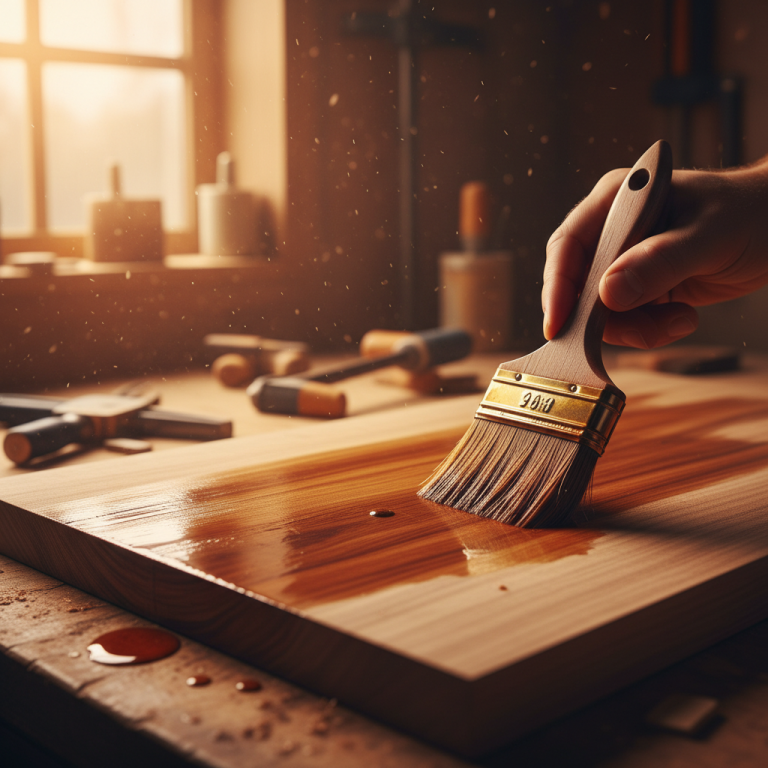
We recommend treating all decking with a quality decking oil such as OSMO Decking Oil within the first few months of installation. This enhances colour, provides slip resistance when wet and protects against UV degradation.
Making Your Decision
Our recommendation depends on your priorities:
- Best overall: Siberian Larch — the sweet spot of quality, beauty and value
- Best premium: European Oak — nothing beats it for longevity and prestige
- Best budget: Treated softwood — functional and affordable
- Best for colour: Sapele — that rich red-brown is unmatched
Need help choosing? Get in touch with our team — we’re happy to send samples and provide tailored advice for your specific project. We offer next-day delivery on all decking products across the UK.