Why Premium Timber Fencing Is Worth the Investment
Your garden fence does more than mark a boundary — it’s one of the most visible elements of your property’s exterior. A well-built timber fence adds privacy, security, character and genuine value to your home. Yet too many homeowners settle for mass-produced panel fencing that starts to sag, warp and rot within just a few years.
In this guide, we explore how choosing the right timber and installation method can give you a fence that looks beautiful for decades, not just seasons.
Choosing Your Fencing Timber
Siberian Larch Fencing
Our most popular fencing timber, and for good reason. Siberian Larch’s natural durability (Class 3) means your fence boards resist rot without chemical treatment. The clean, straight grain machines to a smooth finish that looks far more refined than standard treated softwood.
Ideal for: Contemporary slatted fences, horizontal board fencing, hit-and-miss designs.
Oak Fencing
For the ultimate premium fence, nothing beats European Oak. Its exceptional hardness means it resists damage from impacts, pets and garden equipment. Green (unseasoned) oak is often used for estate fencing and post-and-rail boundaries, while kiln-dried oak is perfect for close-boarded privacy fencing.
Ideal for: Estate boundaries, post-and-rail, premium close-boarded fencing.
Cedar Fencing
Western Red Cedar’s natural oils make it one of the most rot-resistant softwoods available. Its lighter weight makes installation easier, and the warm reddish-brown colour is naturally attractive. Cedar is also dimensionally stable, meaning less warping and cupping over time.
Ideal for: Decorative garden screens, trellis tops, feature panels.
ThermoWood Fencing
Thermally modified timber offers enhanced durability through heat treatment rather than chemicals. The process reduces the timber’s ability to absorb moisture, dramatically improving rot resistance and dimensional stability. The resulting dark brown colour is consistent and attractive.
Ideal for: Modern architectural properties, commercial boundaries, low-maintenance installations.
Popular Fence Designs
Contemporary Horizontal Slat
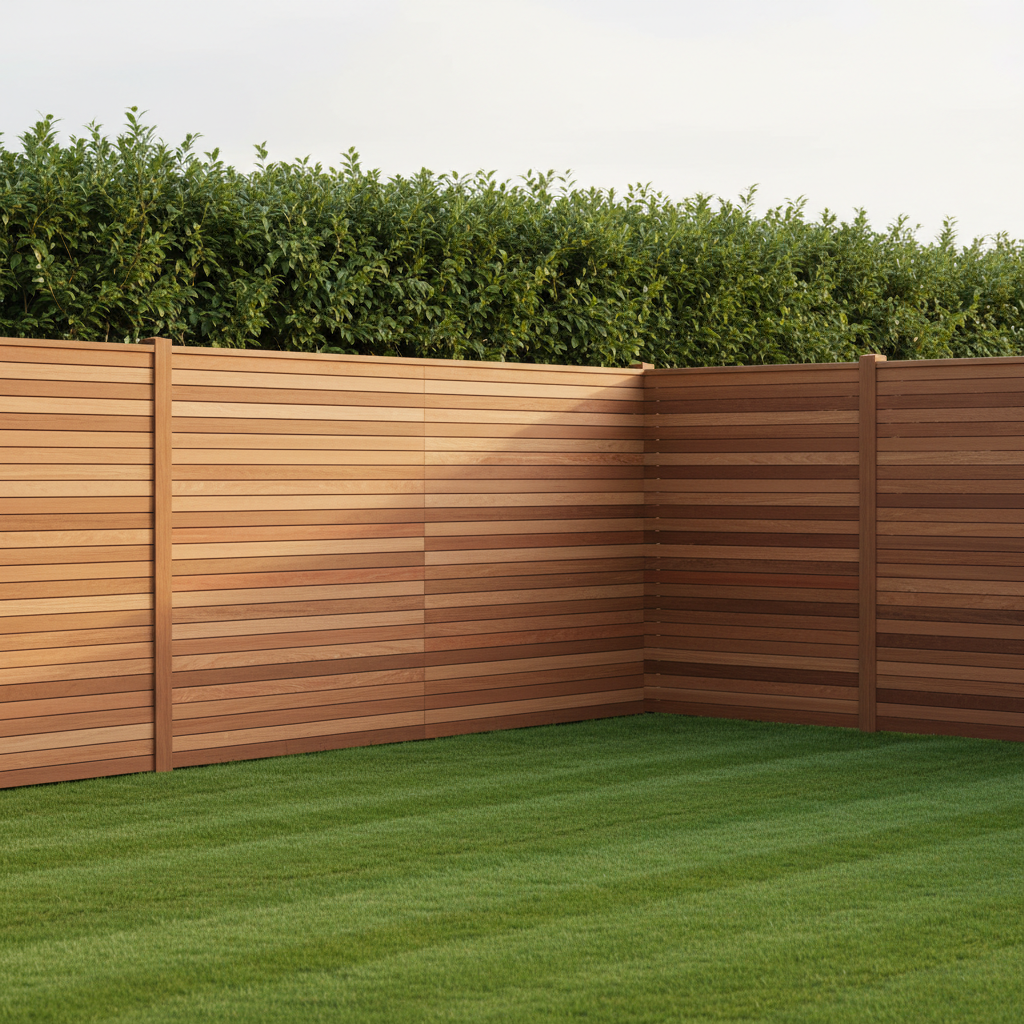
The most on-trend fence design of recent years. Horizontal boards fixed to vertical posts with even spacing create a clean, modern aesthetic. Use 20mm gaps for a semi-private screen or butt boards together for full privacy. Siberian Larch or Cedar are the go-to timbers for this style.
Hit-and-Miss
Boards are fixed alternately on each side of the rails, creating a fence that provides privacy when viewed at an angle but allows airflow through. This design is excellent for windy sites as it reduces wind resistance compared to solid fencing, dramatically reducing the risk of storm damage.
Close-Boarded
The traditional premium fence. Feather-edge boards are overlapped and nailed to horizontal rails, creating a solid, robust boundary. When built with quality timber and proper posts, a close-boarded fence can last 25+ years.
Post and Rail
Simple, elegant and perfect for rural properties. Two or three horizontal rails mortised into sturdy posts create an open boundary that defines space without blocking views. Oak is the classic choice for this timeless design.
Installation Essentials
Posts
Your fence is only as strong as its posts. We recommend:
- Material: Use the same species as your boards, or treated softwood as a minimum
- Size: Minimum 100mm x 100mm for fences up to 1.8m; 125mm x 125mm for taller fences
- Depth: Bury posts to a minimum of 600mm (one-third of the total post length)
- Foundation: Set in postcrete or concrete for maximum stability
- Spacing: Maximum 2.4m centres (1.8m is better for exposed sites)
Rails
Use 75mm x 50mm rails as a minimum, with three rails for fences over 1.5m high. Arris rails (triangular profile) shed water better than flat rails and are traditional for close-boarded fencing.
Gravel Boards
Always fit a gravel board at the base of your fence to keep the main boards off the ground. This sacrificial board can be replaced easily when it eventually rots, without disturbing the rest of the fence. Concrete gravel boards are a maintenance-free alternative.
Post Caps
A simple but effective detail — post caps prevent water from sitting on the exposed end grain of your posts, significantly extending their lifespan. We supply matching timber caps in all our fencing species.
Maintenance Tips for Maximum Lifespan
- Year 1: Apply a quality exterior oil or stain once the timber has weathered for 2-3 months. This allows any initial moisture to escape and ensures good penetration of the finish.
- Annually: Clear vegetation growing against the fence, check for loose boards or fixings, and clear debris from the base.
- Every 2-4 years: Reapply oil or stain to maintain colour and protection. Clean with a soft brush and mild detergent before recoating.
- As needed: Replace any damaged boards individually — this is one of the great advantages of board-on-rail construction over panel fencing.
Planning Permission
In most cases, you don’t need planning permission for a garden fence up to 2m high (1m if adjacent to a highway). However, always check with your local planning authority, especially if your property is listed, in a conservation area, or subject to specific conditions on your planning consent.
Ready to Build Your Perfect Fence?
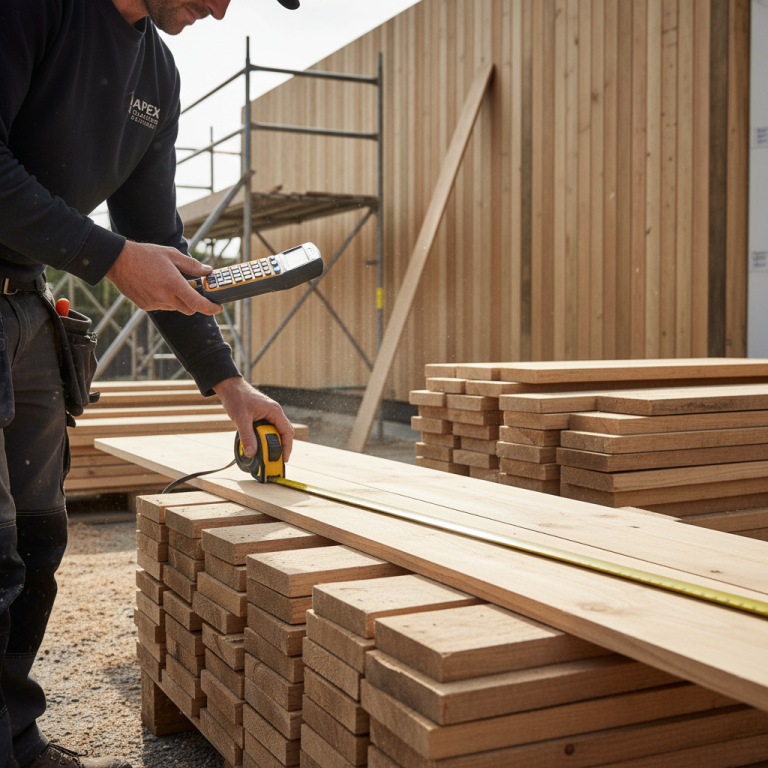
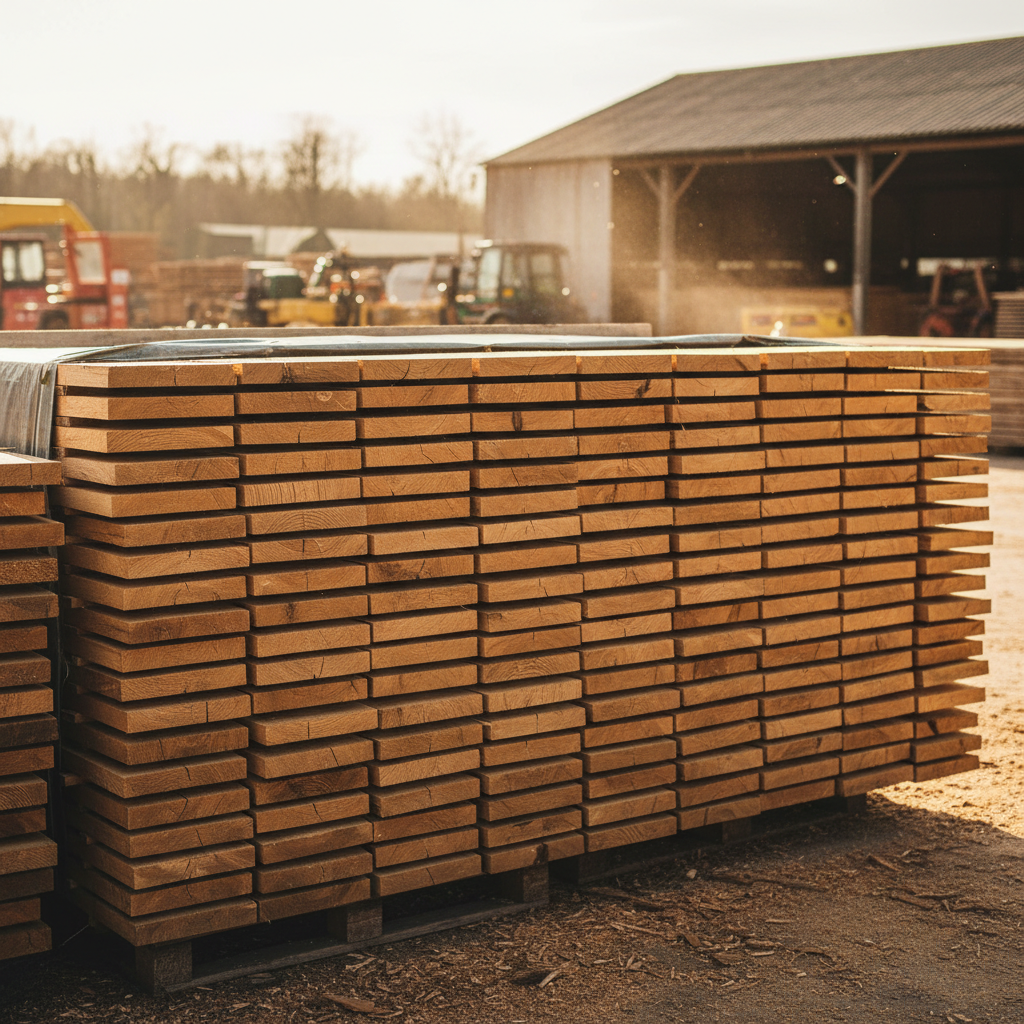
Browse our full range of fencing timber or contact us for a personalised quote. We supply cut-to-length boards in all species and can advise on quantities, profiles and finishing products for your specific project. Next-day delivery available across the UK.