Why Finishing Matters
You’ve invested in premium timber for your project — now protect that investment. The right finish will enhance the natural beauty of the wood, provide protection against UV radiation, moisture and fungal attack, and extend the lifespan of your installation by years or even decades.
But with dozens of products on the market — oils, stains, varnishes, paints, preservatives — choosing the right one can be overwhelming. In this guide, we cut through the noise and explain exactly which finish suits which application.
Understanding the Types of Finish
Penetrating Oils
Oils soak into the timber rather than forming a film on the surface. This means they nourish the wood from within, allowing it to breathe naturally while providing moisture resistance and UV protection.
Best for: Decking, cladding, garden furniture, fencing
Our recommendation: OSMO Natural Oil Woodstain — a blend of natural plant oils and waxes that penetrates deeply, enhances grain, and provides excellent weather protection. We stock the full OSMO range at Timberulove.
Exterior Stains
Stains contain pigment that provides colour while allowing the grain to show through. Available in transparent, semi-transparent and opaque formulations. Stains offer better UV protection than clear oils because the pigment particles physically block UV rays.
Best for: Cladding, fencing, sheds and outbuildings, window frames
Our recommendation: OSMO Country Colour for opaque coverage, or OSMO UV Protection Oil for maximum UV resistance with a natural look.
Preservative Treatments
Clear or lightly tinted liquid treatments designed to protect timber against rot, insects and fungal attack. These are typically applied as a base coat before an oil or stain topcoat.
Best for: Softwood cladding and fencing, timber in ground contact, areas with high moisture exposure
Varnishes and Lacquers
Film-forming finishes that sit on the surface of the timber, creating a glossy or semi-glossy protective layer. While they offer good initial protection, they can crack, peel and flake over time — requiring complete stripping before recoating.
Best for: Interior applications only. We do not recommend varnishes for exterior timber — they inevitably fail and create a maintenance nightmare.
Finishing by Application
Decking
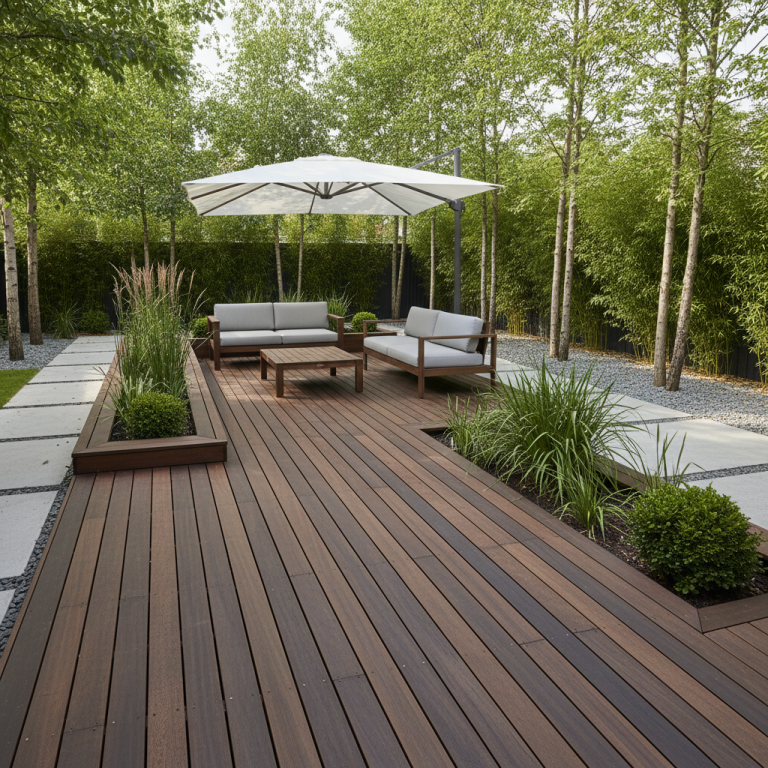
Decking takes more punishment than any other exterior timber application — foot traffic, furniture, rain, sun and spilled drinks. It needs a finish that:
- Provides slip resistance when wet
- Withstands foot traffic without wearing off quickly
- Is easy to reapply without stripping
- Enhances the natural colour
Our choice: OSMO Decking Oil. Available in clear and tinted versions, this specialist formulation is designed specifically for horizontal timber surfaces. The anti-slip additive version is excellent for elevated decks and pool surrounds.
Application: Two thin coats with a flat brush or roller. Allow 8-12 hours between coats. Do not apply in direct sunlight or if rain is expected within 6 hours.
Cladding
Vertical timber is less exposed to standing water and UV than decking, but still needs protection — especially on south and west-facing elevations that get the most sun and rain.
Our choice: OSMO Natural Oil Woodstain for colour enhancement, or OSMO UV Protection Oil Extra (with active ingredients that actually slow the greying process) for a natural finish with maximum UV protection.
Application: One coat is usually sufficient for cladding. Apply with a brush, working along the grain. For pre-finishing (before installation), apply two coats to all faces including the back.
Fencing
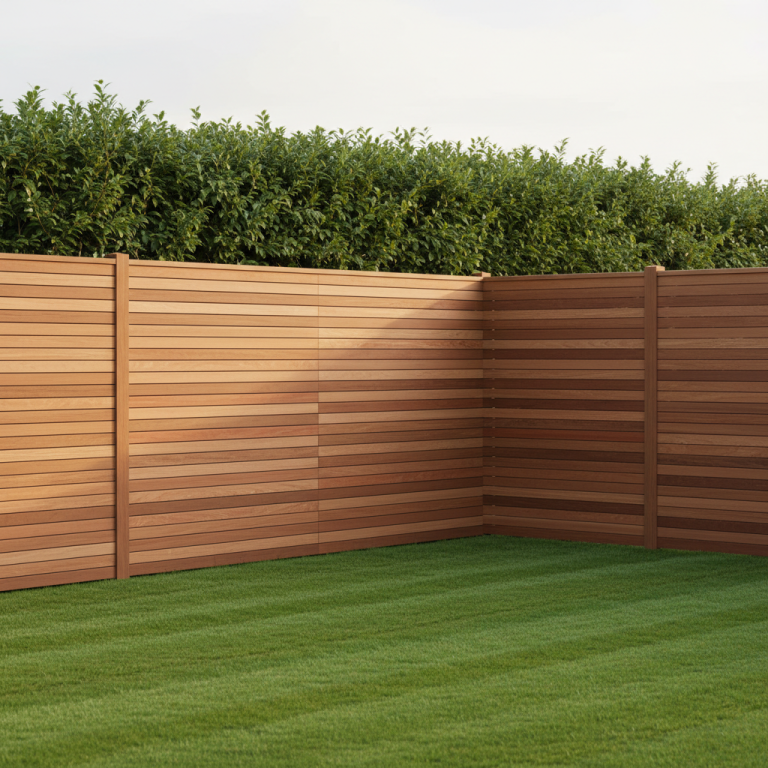
Fencing covers large areas, so cost-effectiveness matters. For premium species like Larch and Cedar that have natural durability, a simple oil treatment enhances appearance without breaking the bank.
Our choice: OSMO Natural Oil Woodstain for feature fences, or a quality exterior wood oil for standard boundary fencing.
Preparation Is Everything
The most expensive finish in the world will fail if applied to poorly prepared timber. Follow these steps:
- Ensure the timber is dry — moisture content should be below 18%. If you’re working with freshly delivered kiln-dried timber, you’re good to go. If the timber has been stored outdoors or is green, wait until it dries.
- Sand if necessary — remove any rough patches, pencil marks or mill glaze with 120-150 grit sandpaper, always working along the grain.
- Remove dust — brush off all sanding dust before applying any finish. A tack cloth is ideal for a thorough final wipe.
- Seal end grains — apply an extra coat of oil or a specialist end-grain sealer to all cut ends. End grain absorbs moisture at 200 times the rate of face grain.
When to Apply
Timing your finish application correctly makes a significant difference to performance:
- New timber: If kiln-dried, you can apply finish immediately. If air-dried or recently installed, wait 2-4 weeks for the timber to acclimatise.
- Weathered timber: Clean thoroughly with a timber cleaner to remove grey surface fibres, then allow to dry completely before applying finish.
- Temperature: Apply when air and surface temperature is between 10-25°C. Avoid very hot days (finish dries too fast, causing brush marks) and cold days (finish won’t cure properly).
- Humidity: Don’t apply if rain is forecast within 6 hours or if humidity is above 80%.
Maintenance Schedule
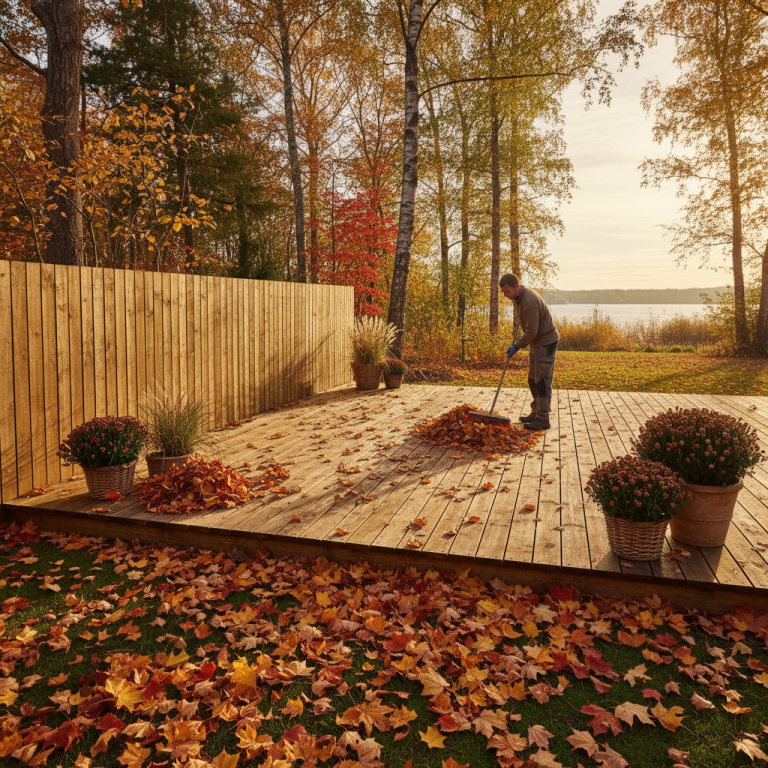
One of the great advantages of penetrating oil finishes over film-forming finishes is easy maintenance. There’s no stripping, sanding or scraping required — simply clean the surface and apply a fresh coat:
- Decking: Reapply annually for high-traffic areas, every 2 years for low-traffic
- Cladding: Every 3-5 years depending on exposure
- Fencing: Every 2-4 years
- Garden furniture: Annually, before the start of each summer
Shop Timber Care Products
We stock the complete OSMO exterior range alongside our timber products, so you can order everything you need in one delivery. Browse our woodcare products or contact us for advice on the right finish for your specific project and timber species.