The King of British Timber
European Oak (Quercus robur and Quercus petraea) has been central to British building culture for over a thousand years. From the roof timbers of medieval cathedrals to the hull planking of Nelson’s fleet, Oak has earned its reputation as the most trusted and versatile hardwood available.
Today, it remains the gold standard for premium cladding, decking, fencing, structural beams and architectural joinery. In this guide, we explore what makes Oak so special and how to use it effectively in modern construction.
Properties That Set Oak Apart
Durability
Oak is classified as Durability Class 2 (Durable) under EN 350, with an expected in-ground lifespan of 15-25 years and an above-ground lifespan of 30-50+ years without any preservative treatment. This natural durability comes from high levels of tannin and tyloses (cellular structures that block moisture penetration).
Strength
With a density of 670-760 kg/m³ (kiln-dried), European Oak is one of the strongest native hardwoods. Its bending strength, compression resistance and hardness make it suitable for structural applications where other timbers would require larger cross-sections.
Workability
Despite its hardness, Oak machines, planes and sands well with sharp tooling. It takes fixings without excessive splitting (when pre-drilled), glues reliably and accepts all types of finish. It’s also excellent for steam bending — a property exploited in boat building and curved furniture.
Aesthetics
Oak’s visual appeal is legendary — a warm golden-brown colour with distinctive grain patterns, medullary rays (visible as striking “tiger stripe” figuring in quarter-sawn boards) and a richness that improves with age. No two boards are identical, giving every Oak installation unique character.
Green Oak vs Kiln-Dried Oak
Understanding the difference between green and kiln-dried Oak is crucial for selecting the right product for your application.
Green (Unseasoned) Oak
Freshly sawn with a moisture content of 60-80%. Green Oak is:
- Easier to work — softer when wet, making it ideal for mortise and tenon joinery, peg joints and traditional timber framing
- More affordable — no kiln-drying costs
- Will move significantly — expect shrinkage of 4-8% across the width as it dries over 1-3 years
- Develops character — natural checking (surface cracks) appear as the timber seasons, adding to the rustic charm
Best for: Structural oak frames, post-and-beam construction, estate fencing, pergolas, gate posts.
Kiln-Dried Oak
Dried in a controlled kiln to 8-12% moisture content. Kiln-dried Oak is:
- Dimensionally stable — minimal further movement after installation
- Harder and denser — the drying process increases surface hardness
- Easier to finish — lower moisture content allows better penetration of oils and stains
- More expensive — the kiln-drying process adds time and energy cost
Best for: Cladding, decking, finished joinery, flooring, furniture, window and door components.
Applications
Oak Cladding
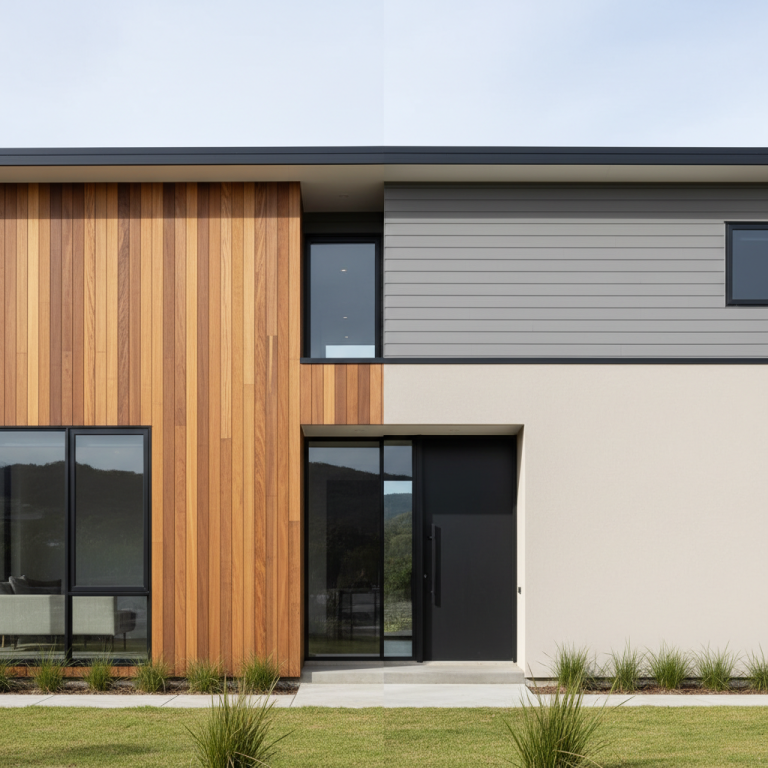
Oak cladding creates a timelessly elegant facade that weathers gracefully to silver-grey. The density and hardness of Oak means cladding boards maintain their profile and integrity far longer than softwood alternatives. Available in T&G, shiplap and feather-edge profiles.
Oak Decking
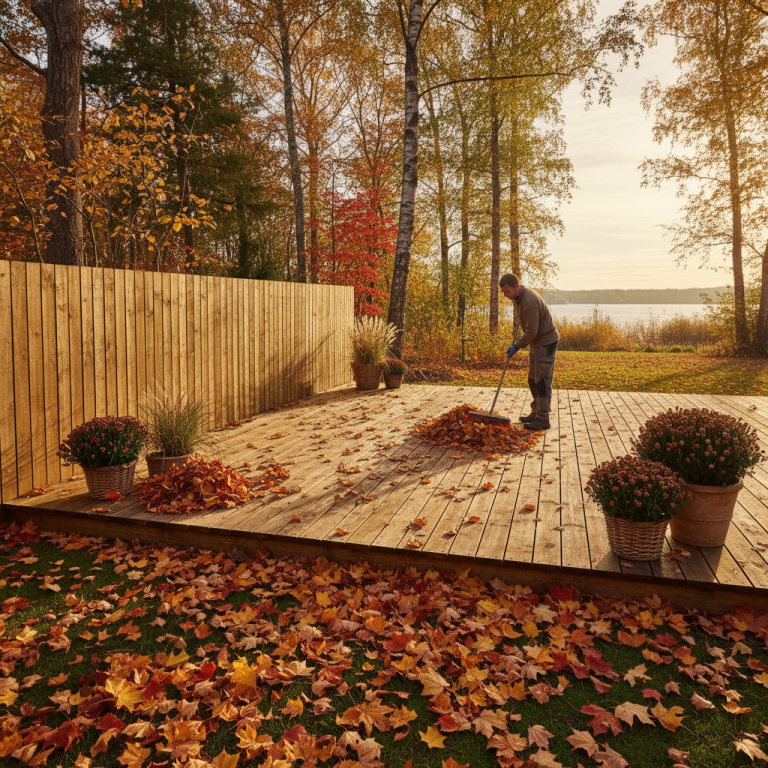
Nothing matches Oak for premium decking. Its extreme hardness resists foot traffic, furniture marks and general wear. Oak decking is the natural choice for patios, restaurant terraces, poolside areas and commercial installations where longevity and appearance justify the premium.
Oak Fencing
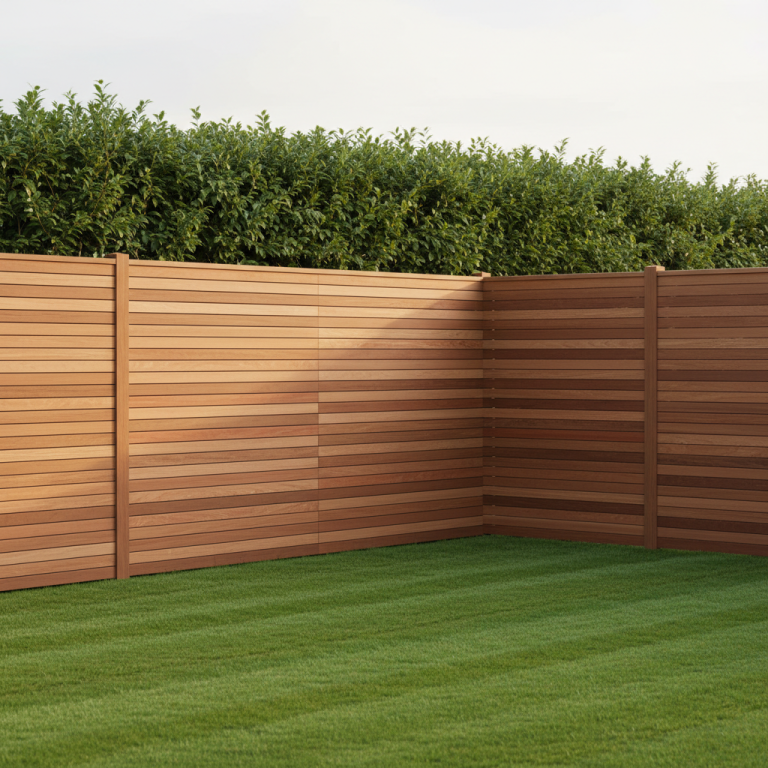
From rustic estate post-and-rail to contemporary slatted designs, Oak fencing makes a statement. Green Oak posts driven or set into the ground will outlast treated softwood equivalents by many years. The tannin content provides natural resistance to rot at the critical ground-level zone.
Structural Beams
Oak beams — both decorative and structural — add character and value to any building. Whether supporting a vaulted ceiling, spanning an opening or purely decorative, exposed Oak beams create a sense of warmth and permanence that no other material can match.
Working with Oak: Practical Tips
- Always pre-drill for fixings — Oak will split if you drive screws or nails without pilot holes, especially near edges and end grain
- Use stainless steel or bronze fixings only — ferrous metals (steel, iron) react with Oak’s tannins, causing black staining around every fixing point. This reaction is permanent and cannot be removed
- Expect tannin bleed — new Oak exposed to rain will leach brown tannin that can stain adjacent surfaces (paving, render, etc.). This is natural and diminishes over the first 6-12 months. Protect vulnerable surfaces during this period
- Allow for movement — even kiln-dried Oak will move slightly with seasonal humidity changes. Leave appropriate expansion gaps at all junctions
- Seal end grain — Oak end grain absorbs moisture quickly, leading to checking. Seal all cut ends with PVA or a specialist end-grain sealer
Oak vs Other Hardwoods
How does European Oak compare to other premium options?
- vs Iroko: Similar durability but Iroko is a tropical species with associated sourcing concerns. Oak has a finer grain and more character.
- vs Sapele: Sapele is softer and less durable but offers a deeper red-brown colour. Oak wins on longevity; Sapele on colour richness.
- vs Ash: European Ash is strong but not naturally durable (Class 5) and requires treatment for exterior use. Oak needs no treatment.
- vs Sweet Chestnut: Similar properties and appearance to Oak at a lower price point. A good alternative where budget is tight, though less widely available.
Order European Oak from Timberulove
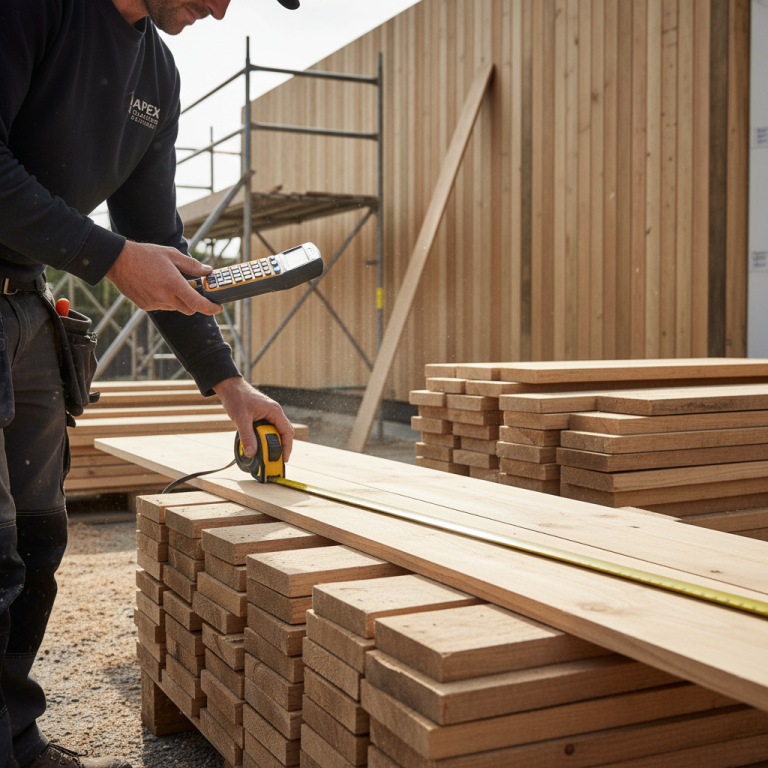
We supply premium European Oak in a wide range of profiles for cladding, decking, fencing and general construction. Both green and kiln-dried options are available, cut to your specified dimensions. Browse our Oak range or contact our team for pricing and availability.